
By Giselle Nelson: Birmingham Early Years Networks
Lead Early Education Advisor, South Cluster
From my own professional experience, both as an Early Years Lead in a large infant school and as Project Lead for the Hall Green Schools Developing Local Provision (DLP), I’ve seen how vital it is to get transitions right.
Welcoming children from a wide range of early years providers taught me that when communication is strong and relationships are built early, children settle more quickly, families feel reassured, and staff can meet individual needs with confidence.
Through the DLP project, where much of the work focused on improving transition processes between early years settings and schools, this became even clearer. Developing simple, consistent approaches and strengthening communication helped make transitions calmer, smoother and more predictable for every child.
Spring Network Sessions across Birmingham - Celebrating Good Practice
This spring, colleagues across Birmingham also came together through network sessions to share ideas and practical strategies for everyday transitions.
The thoughtful, child-centred practice happening daily across our settings is making a real difference—helping children feel safe, connected and ready for change. These shared efforts, along with the new bank of resources on the BEYN website, highlight that transitions are a core part of early years practice.
When transitions are supported well, everything becomes easier for the child, and their confidence and wellbeing shine through.
To explore transition with your team:
Click the image to download a copy of this booklet
What Do We Mean by Transitions?
Transitions happen constantly in early years settings.
A transition is any shift from one situation, activity or environment to another. Some happen many times a day—tidying up, going outdoors, moving to carpet time, or having a familiar adult step out of the room. Others are major milestones that involve new people, new spaces and new expectations.
Whether small or significant, transitions shape how children feel, behave and learn.
Types of Transitions in Early Childhood
Children experience different kinds of transitions, including:
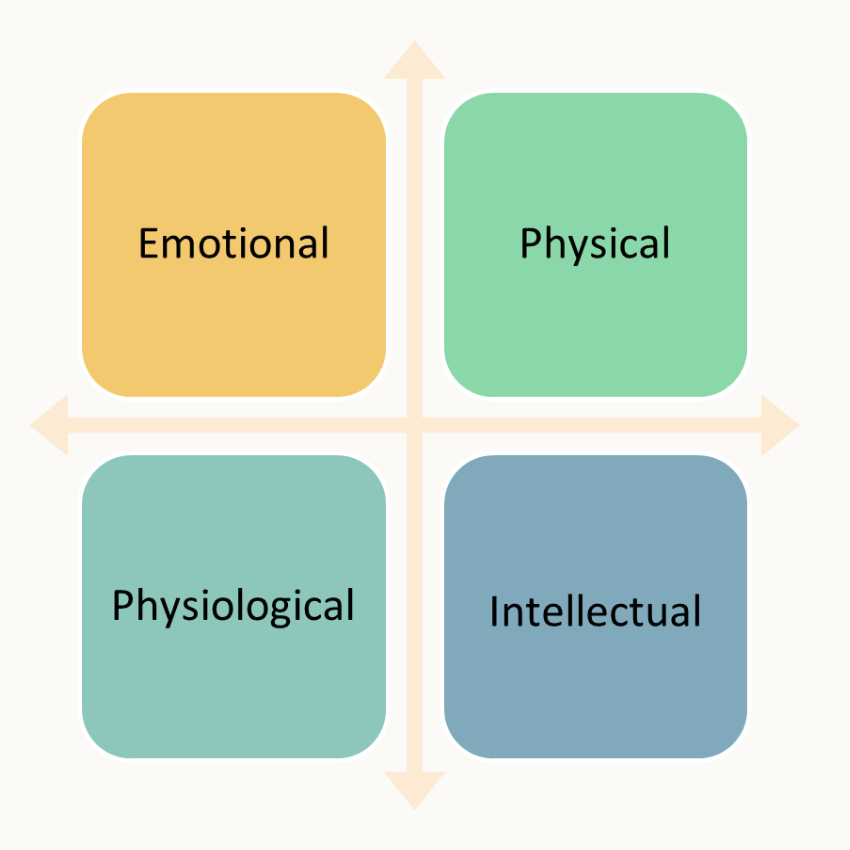
1. Emotional Transitions
Changes linked to feelings and relationships.
Examples: parental separation, bereavement, forming a blended family.
2. Physical Transitions
Changes in environment.
Examples: moving house, changing school, room‑to‑room moves.
3. Physiological Transitions
Changes linked to development.
Examples: developmental milestones, growth spurts.
4. Intellectual Transitions
Changes in learning or expectations.
Examples: starting nursery or school, adapting to new curriculum demands.
Horizontal and Vertical Transitions
Horizontal (everyday) transitions: frequent, routine changes.
Vertical (milestone) transitions: major moves such as starting school or moving rooms.
Bringing Them Together
Horizontal (everyday) and vertical (milestone) transitions work together to shape a child’s sense of security, belonging and readiness for change.
Whether they are small daily shifts or major milestone moves, all transitions influence how children cope, connect and thrive.
Why Transitions Matter
In the early years, most transitions are happening for the first time.
Sensitive, well‑planned transitions help children:
Feel secure and confident
Build wellbeing
Develop a sense of belonging
Settle quickly
Experience consistent, nurturing relationships
As Birth to 5 Matters (2021) states:
“When transitions in the early years are managed sensitively, it lays the foundations for positive feelings towards the many other transitions children will face through life.”
Children at the Heart of Our Practice
Strong transition practice starts with the child.
This means:
Seeing the transition from their perspective
Respecting their pace and readiness
Noticing their non‑verbal cues
Responding with warmth, curiosity, and patience
Tailoring support to their individual needs
Transitions aren’t something we do to children—they are something we guide them through.
EYFS Principles Supporting Transitions
A Unique Child 🧒
Every child responds differently to change.
Positive Relationships 🤝
Warm, trusting adults help children feel safe during transition.
Enabling Environments 🏡
Predictable routines and well‑organised spaces reduce anxiety.
Learning & Development 📚
Transitions help children build resilience, confidence and independence.
The Role of the Key Person
The key person helps children settle, feel known, and build emotional security by:
Forming strong, warm relationships
Tailoring support to individual needs
Providing consistent routines
Acting as a secure base during change
This role is vital for both everyday and milestone transitions.
Enhanced Transitions for Children with SEND
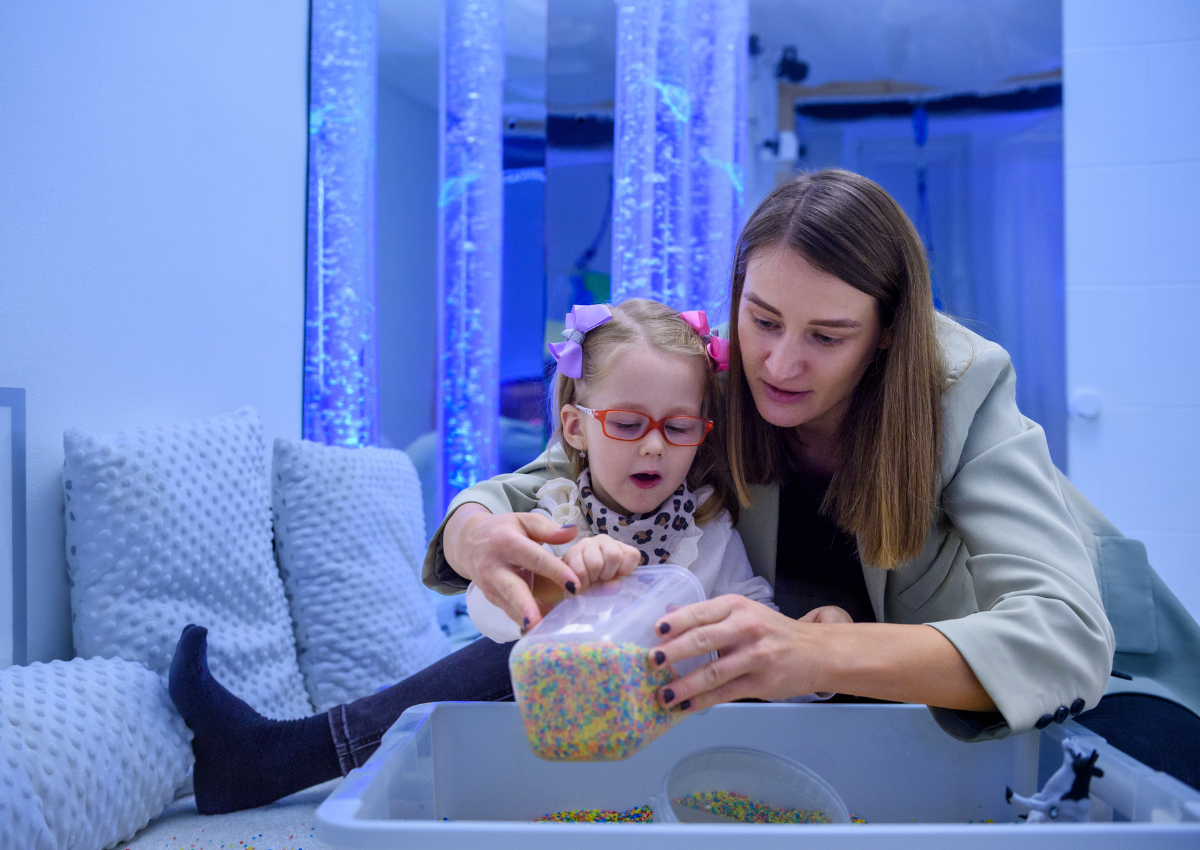
Children with Special Educational Needs and Disabilities (SEND) may find change particularly challenging.
Enhanced transitions help by:
Supporting emotional regulation
Reducing cognitive load
Ensuring inclusion and equity
Protecting progress
Building confidence
Small, personalised adjustments can have a big impact on how safe and ready a child feels.
Looking Ahead to Milestone Transitions
Bigger transitions—like starting nursery, moving rooms or entering Reception—begin long before a child walks through the door.
Early communication, relationship‑building and shared expectations make a huge difference.
Summer Term 2026 Transition Events across Birmingham
In 2025, over 400 schools and early years providers attended our district-based Summer Transition Events.
These face-to-face sessions are an opportunity for early years providers and reception practitioners to share information to support a smooth transition for every child as they move on to their Reception classes in September 2026.
They are important because they:
Strengthen professional relationships
Help schools understand children's needs early
Reduce family anxiety
Support continuity for children with SEND
Make transitions calmer, smoother and more predictable
There will be opportunities for schools, early years settings, and childminders to discuss children transitioning to Reception classes in school, share transition documents and expertise, as well as arrange visits between settings.
Other professionals, e.g. from the Area SENCo team and SaLT teams, will be in attendance to support this event.
If you’re not already booked on - find your event and sign up now!
Supporting Transition with a Shared Text for Every Setting in Birmingham
We are delighted to be working with Laura Henry-Allain MBE and her new book due to be published in June 2026 – Maya & Marley and the New Friend – as our city-wide shared book.
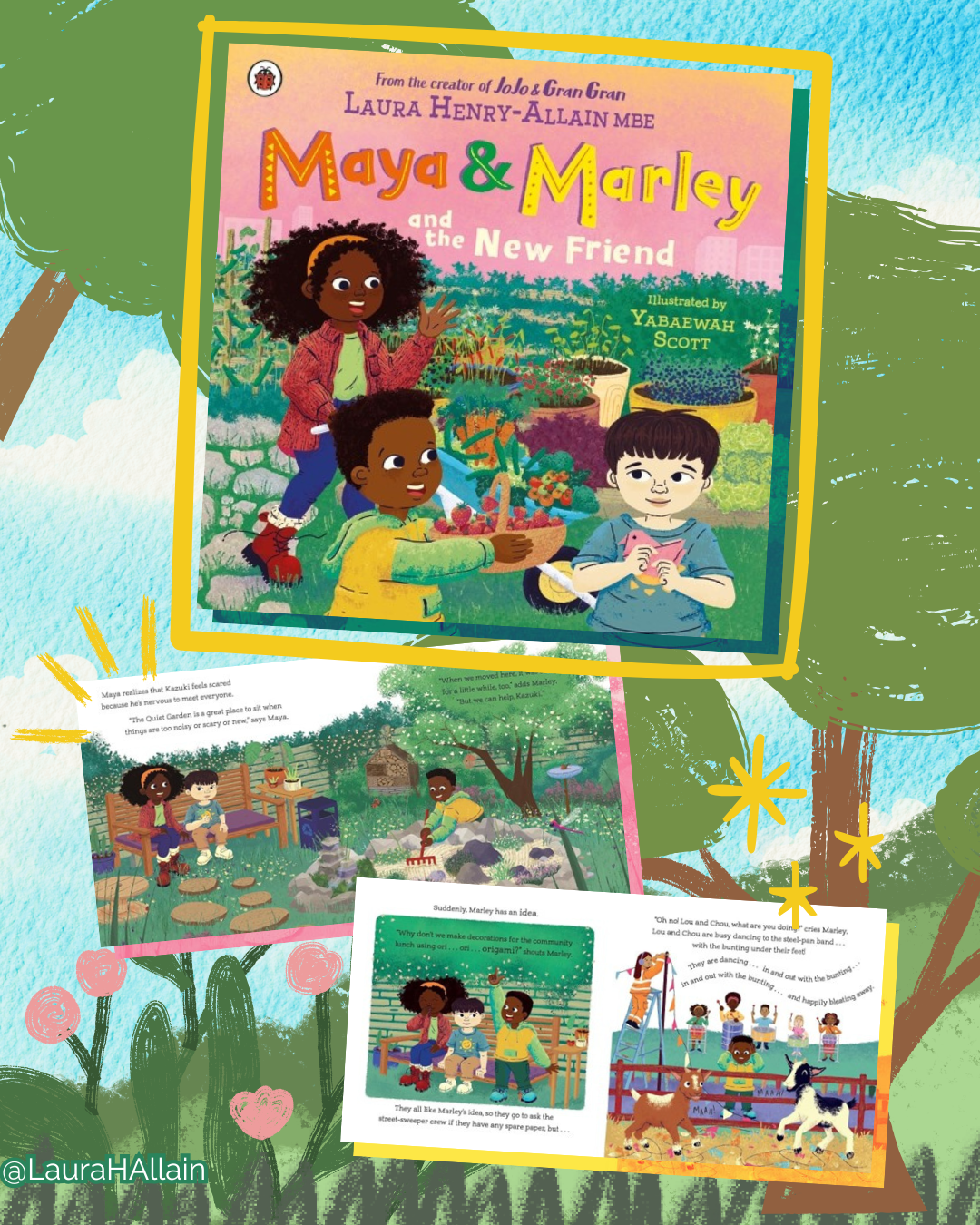
Using a shared book to support children moving from nursery to reception
Creates a shared, familiar experience for every child Children meet the same characters and language across settings, building belonging and reducing anxiety as they move into Reception.
Strengthens continuity and alignment across the system A common text acts as a bridge between nursery and school, enabling practitioners to build on each other’s work and signalling a connected, coherent early years offer.
Supports consistent, high‑quality language development Shared vocabulary and story structures give all children repeated exposure to rich language, helping narrow gaps and giving Reception teachers confidence about prior learning.
Enriches transition conversations and emotional readiness The story provides a safe anchor for exploring feelings, friendships and routines, helping children articulate experiences and easing the emotional demands of transition.
Enables creative, collaborative, city‑wide practice The text becomes a flexible tool for play, storytelling, art and outdoor learning, while supporting shared activities, family engagement and professional collaboration across settings.
Make sure you have signed up to attend your district transition event and collect your copy of the book and resource pack (including a link to a special video from Laura Henry-Allain for the children), ready to use with your children as you support them through this milestone transition.