

Summer Safety in the Early Years: A Safeguarding Perspective
Working together to keep Birmingham’s youngest children safe this summer
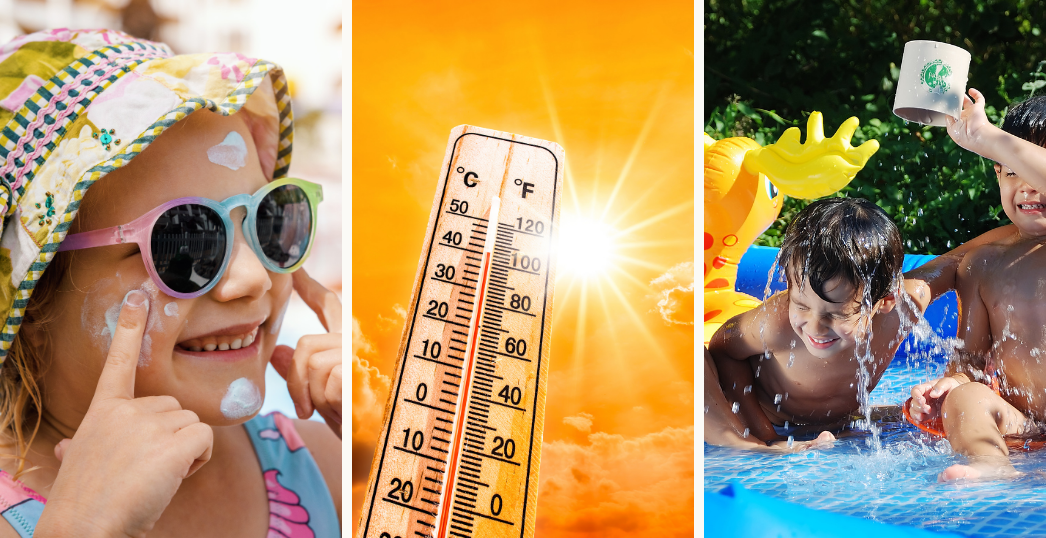
Summer brings wonderful opportunities for outdoor learning, exploration and play — but it also brings specific risks that early years practitioners must anticipate and manage.
Babies and young children are more vulnerable to sun exposure, extreme heat and water hazards, and safeguarding means taking proactive steps to reduce harm, respond quickly to concerns, and support families with clear, evidence‑based guidance.
Sun Safety in the Early Years ☀️
Babies and young children have far more sensitive skin than adults. Even short periods of unprotected exposure can cause damage, and repeated sunburn in childhood is strongly linked to skin cancer later in life.
Safeguarding in this context means preventing avoidable harm, modelling safe practice, and ensuring families understand how to protect their children.
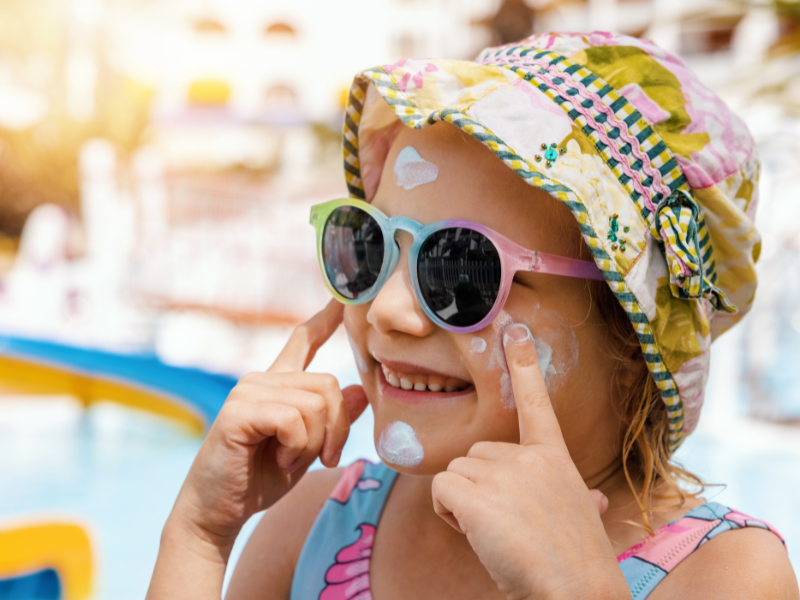
Key Sun Safety Principles
Children under six months must be kept out of direct sunlight: Their skin contains very little melanin and burns extremely easily.
From March to October, UV levels in the UK are high enough to require daily sun‑safety routines.
Shade and cover‑up strategies should be embedded into outdoor planning, especially between 11:00 am and 3:00 pm, when UV exposure peaks.
Clothing is the first line of defence: Wide‑brimmed hats, long sleeves, and UV‑protective fabrics significantly reduce risk.
Sunscreen should complement, not replace, shade and clothing: Settings should have clear policies on parental consent, application routines, and reapplication during long outdoor sessions.
Sun Safety Considerations for Settings
Build sun‑safety checks into daily risk assessments.
Ensure outdoor areas have adequate shade (natural or temporary).
Keep a record of children who arrive without appropriate clothing and communicate with families promptly.
Model safe behaviour — practitioners should follow the same sun‑safety expectations.
Further Reading: Keeping Children Safe in the Sun
Sun safety for children in the early years | National Day Nurseries Association (NDNA)
Keeping safe in the sun and hot weather | Health for Under 5s
Outdoor Kids Sun Safety Code & Sun Protection Accreditation | Melanoma Fund
Heat Safety in the Early Years 🔥
Babies and young children can become seriously ill during very hot weather. Their bodies are less able to regulate temperature, making them more vulnerable to dehydration, heat exhaustion and heat stroke.

Safeguarding requires early identification of risk, consistent monitoring, and clear communication with families.
Key Extreme Heat Safety Principles
Hydration must be actively supervised: Young children rarely recognise thirst; practitioners should offer water frequently and monitor intake.
Indoor environments can become unsafe during heatwaves: Settings should check room temperatures regularly and adapt routines when temperatures rise.
Heat‑related illness can escalate quickly: Staff should be trained to recognise early signs such as lethargy, irritability, clammy skin, or unusually quiet behaviour.
Sleep routines need adjusting: Babies sleeping in hot rooms are at increased risk; follow safer‑sleep guidance and ensure adequate ventilation.
Practical Actions for Settings during Heatwaves
Review and update heatwave risk assessments each summer.
Adapt outdoor play — shorter sessions, shaded areas, and avoidance of peak heat times.
Provide cool, ventilated indoor spaces and avoid activities that increase body temperature.
Communicate clearly with families about appropriate clothing, hydration, and keeping children cool at home.
Further Reading: Keeping Children Safe during Extreme Heat
Dealing with severe weather: Heatwave | Birmingham City Council
What to do during a heatwave | Birmingham Children's Hospital
Handling the heat - advice from Birmingham Children's Hospital experts on staying safe in the sun
How To Keep Children Safe During a Heatwave: 10 Essential Tips for UK Families | Save the Children
Safer sleep in hot weather - baby summer safety | The Lullaby Trust
Water Safety in the Early Years 💧
Water play is a joyful part of early childhood — but water also presents significant safeguarding risks. Drowning is one of the leading causes of accidental death in under‑fives, and it can happen quickly and silently.
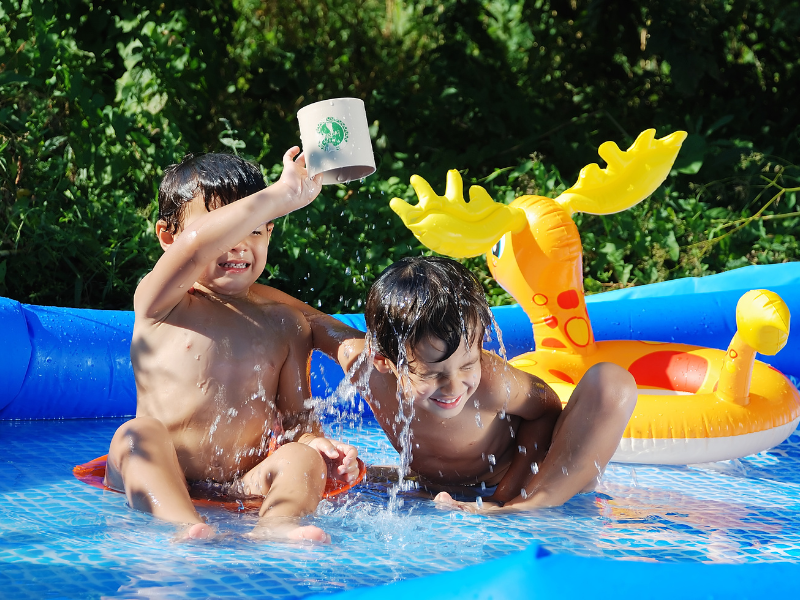
Essential Water Safety Facts
Over 300 people lose their lives to accidental drowning each year in the UK and Ireland (Drowning Facts RLSS UK)
Drowning disproportionately impacts children and young people. Children aged under 5 years account for nearly a quarter of all drowning deaths. Drowning is the fourth leading cause of death for children aged 1–4 years. (WHO statistics)
A drowning child cannot shout or splash. They slip quietly under the surface.
Young children are most likely to drown in the bath or a garden pond.
Children can drown in as little as 5 cm of water.
These facts underline why water safety is a safeguarding priority, not just a supervision issue.
Safeguarding Principles for Water Play and Water Environments
Supervision must be constant and close: “Within arm’s reach” is the standard for under‑fives.
Never leave water containers unattended: Buckets, paddling pools, and water trays should be emptied immediately after use.
Bath time is a high‑risk moment: Families should be reminded that children must never be left alone, even for a few seconds.
Garden ponds and water features should be securely fenced or covered.
Teach children simple water‑safety messages through play, stories and modelling.
Further Reading: Keeping Children Safe in and around Water
Early years resources (Water safety) | Birmingham City Council
Water safety education resources: Lower primary - age 3-7 | RNLI
Embedding Summer Safety in Practice
Summer time offers rich opportunities for exploration, joy and learning — but it also brings very real risks for babies and young children. By approaching sun safety, extreme heat and water safety through a safeguarding lens, early years practitioners can create environments where children thrive while staying protected from harm.
Embedding these routines into daily practice, staying alert to early signs of risk, and working closely with families ensures that safety becomes part of the culture rather than an add‑on.
When we plan intentionally and act proactively, we give children the freedom to enjoy summer’s possibilities with confidence and care. Together, Birmingham’s early years community can champion safe, nurturing and memorable summer experiences for every child.
Safeguarding Support in Birmingham
Interested in writing a guest post for the BEYN blog? Visit the Write for Us page for more info.